

Microchanneling targets stubborn melasma by breaking up pigment, helping treatments reach deeper skin, and supporting repair. Dark patches from chronic sun exposure and cell damage often resist ordinary creams.
Deep discoloration can appear alongside crow's feet and fine lines around the eyes. Choosing between mechanical pigment treatment and resurfacing with Plasma Pen (Full Face & Neck) depends on your skin type. Pigment depth and the health of your skin barrier matter just as much.
Our post on non-surgical facelift options for women over 50 in LA covers the related choices for loose skin.
The 4 clinical methods below explain how tiny punctures in the skin break up persistent patches without triggering heat-related rebound pigment.
Cheek patches and early sagging need different kinds of care. Collagen loss can bring fine lines around the eyes and loosen the lower face. Treatment needs to avoid excessive heat injury while repairing the basement membrane, the thin layer that separates the skin's outer and deeper layers.
Here in sunny Southern California, pigment care must protect the outer skin barrier from darkening caused by inflammation. We discuss plasma pen treatment for crepey neck skin in a separate post.
What's Inside This Guide
- 1. Mechanical Melanin Dispersion via Controlled Micro-Channels
- 2. Transdermal Passage Creation for Deep Pigment Regulators
- 3. Basal Membrane Repair to Prevent Downward Melanin Drop
- 4. Targeted Dermal Remodeling for Sun-Damaged Photoaged Layers
- Side-by-Side Breakdown of Microchanneling Pigment Pathways
- Common Questions on Melasma Clearance in Los Angeles
- Consult Our Los Angeles Skin Specialist for Targeted Care
1. Mechanical Melanin Dispersion via Controlled Micro-Channels
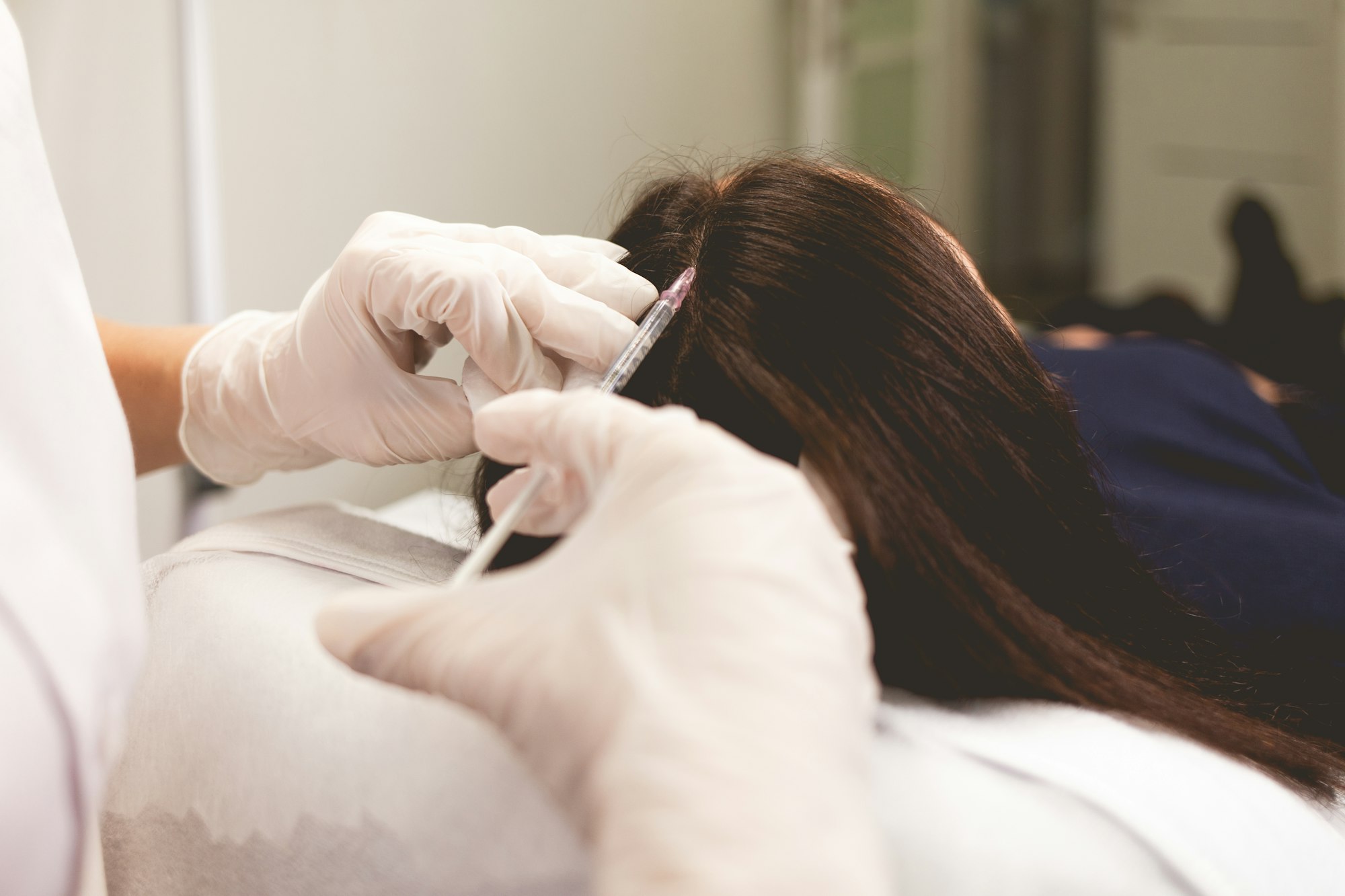
Microchanneling stamps tiny, even vertical openings into the stratum corneum, the skin's outermost layer, without dragging or slicing. Chronic melasma leaves uneven pigment clusters in surface skin cells and the upper dermis beneath them. These stamps break up dense clusters, freeing trapped melanin so lymphatic circulation can carry away the cell debris.
Video from TJTutorials on microneedling and PTT-6 for melasma, skin texture and ageing.
Physical treatment particularly suits forehead and upper-lip patches that do not respond to topical exfoliants. A thickened outer layer can block products, leaving dark spots beneath hardened surface cells. Clean punctures through that barrier encourage keratinocytes, the main surface skin cells, to shed quickly without spreading heat-related inflammation.
Practical check: Do not treat open blemishes, inflamed cysts or peeling sun-damaged skin with microchanneling. Request a patch test on sensitive jawline skin before booking a full appointment.
Mechanical treatment alone cannot stop tyrosinase, an enzyme involved in making pigment. Stamping clears existing melanin deposits, but hormone changes or unprotected sun exposure can trigger new pigment. Tyrosinase inhibitors, which limit that enzyme's activity, need to be used alongside treatment.
For anyone considering a plasma pen, the distinction matters: heat-based arc tightening treats loose tissue. Cool mechanical stamping is safer for active melasma.
2. Transdermal Passage Creation for Deep Pigment Regulators
Many topical brighteners stay on the surface because their large molecules cannot cross the skin's water-repelling barrier. Thousands of tiny openings let serums reach living skin layers, increasing absorption by up to several hundred percent. Pigment-reducing peptides and human growth factors can then reach pigment-producing cells, as can formulas containing tranexamic acid.
Better delivery suits persistent sun spots accompanied by loose or crepey skin on the neck, upper chest or around the eyes. Combining nutrient infusion with repair techniques can soften early jowl lines and dull discoloration. People exploring treatment for sagging jowls often pair pigment-inhibiting channels with planned tightening treatments.
Pre-treatment rule: Stop prescription retinoids, strong alpha hydroxy acid exfoliants and exfoliating brushes 5 full days before treatment. This helps prevent damage to the skin barrier and prolonged redness.
Serum tolerance sets the limit here. An unverified formula with synthetic fragrance or harsh preservatives can cause severe contact dermatitis, an inflammatory skin reaction, inside open channels. Further darkening can follow that reaction. Formulas used during treatment must be sterile and free of ingredients that cause inflammation.
3. Basal Membrane Repair to Prevent Downward Melanin Drop
Repeated UV exposure weakens the basement membrane separating the outer skin from the deeper dermis. With deep melasma, that fragile layer lets overactive melanocytes, the pigment-producing cells, and loose melanin move downward. Pigment that settles there forms stubborn gray-brown stains that creams cannot lighten.
Published dermatology research available through the National Library of Medicine identifies repair and protection of this membrane as necessary for lasting pigment stability.
Local chemical signals released after microchanneling prompt fibroblasts, the skin's repair cells, to rebuild type I and III collagen. Repair happens along the boundary between the outer skin and dermis. Reinforcing that boundary prevents pigment from leaking downward, making this an ideal option for mature skin with thinning tissue and faster collagen loss.
Aftercare rule: Keep treated skin completely dry and free of makeup for 12 hours. After that, apply broad-spectrum mineral zinc oxide sunscreen with SPF 30 or higher every day.
Repair takes time. Collagen production in the dermis needs 4 to 8 weeks per renewal cycle. Deep pigment will not lift in a single week, and sustained clearing requires a series of sessions spaced a month apart.
4. Targeted Dermal Remodeling for Sun-Damaged Photoaged Layers
Chronic melasma is a form of sun-related skin ageing accompanied by solar elastosis, a buildup of damaged elastic tissue. Sun-damaged collagen also becomes disordered and stops working properly. Controlled wound healing after microchanneling clears damaged tissue and replaces it with organized collagen bundles. More even skin density helps brighten dull areas while smoothing crepey skin.
Clients with stubborn pigment and loose skin along the cheekbones or neck benefit from this repair process. Rebuilding the collagen support helps skin reflect light more evenly, reducing the visible contrast of dark patches. Unlike high-heat procedures, cool mechanical stamping treats sensitive tissue without the risk of heat-triggered pigment rebound.
Comparing plasma pen and microneedling for jowls starts with understanding that lifting and pigment repair target different tissue depths. At Serenity Healing by Lobna, we assess your skin phototype, its response to sunlight. That assessment helps us choose between targeted microchannels and heat-based fibroblast arc tightening.
Deeper repair can leave redness after a session. Downtime is short compared with ablative lasers, which remove skin layers. Reactive blood-vessel conditions such as rosacea can still cause redness and temporary tightness for up to 48 hours after deeper stamping.
Side-by-Side Breakdown of Microchanneling Pigment Pathways
Each mechanism addresses a different part of the problem. Surface pigment clusters need a different response from poor product absorption or deeper sun damage. Comparing the targets and limits helps explain which approach fits the condition of your face and neck.
| Mechanism | Primary target | Clinical strength | Key limitation | Best for |
|---|---|---|---|---|
| 1. Mechanical dispersion | Surface skin cells called keratinocytes | Breaks up melanin clusters without heat | Does not block pigment-making tyrosinase enzymes | Surface blotches and a rough outer skin layer |
| 2. Transdermal passage | Pigment-producing cells at the epidermis base | Boosts pigment-inhibitor absorption up to 300% | Needs sterile serums that do not irritate skin | Hormonal melasma and stubborn sun spots |
| 3. Basal membrane repair | Boundary between the epidermis and dermis | Prevents melanin from falling into the deeper dermis | Needs 4-8 weeks for structural cell renewal | Deep dermal melasma and thinning skin |
| 4. Dermal remodeling | Collagen network in the upper dermis | Clears sun-damaged elastic tissue and smooths fine creases | Mild redness lasting up to 48 hours | Sun-aged skin with a crepey texture |
Your skin barrier's current thickness and history of UV exposure determine the safest starting depth. Loose skin may need attention alongside pigment. Our post on skin rejuvenation options replacing surgery in 2025 covers ways to pair cell repair with targeted firming.
Common Questions on Melasma Clearance in Los Angeles
Can heat-based skin tightening worsen my melasma patches?
Yes, excessive heat makes pigment-producing cells create protective pigment, causing darkening after inflammation. Although Plasma Pen (Full Face & Neck) tightens and contours loose skin, active melasma needs heat-free care such as precise mechanical microchanneling. During assessment, we identify which facial areas can receive heat and which need pigment treatment without it.
How many sessions are typically required to see noticeable pigment fading?
Most clients see gradual lightening after 3 to 6 sessions, spaced about 4 weeks apart. Treated surface cells shed, and fresh cells without pigment move up to replace them. Deeper patches take longer to lighten than sun freckles near the surface.
Is microchanneling safe for darker Fitzpatrick skin tones prone to melasma?
Mechanical stamping makes microchanneling generally safe across Fitzpatrick types I through VI, which classify skin by its response to sunlight. Guidance from the American Academy of Dermatology stresses avoiding aggressive heat injury when treating dark patches in pigment-rich skin. A patch test is still essential to check how your skin barrier tolerates treatment.
What should I avoid immediately following a pigment-focused session?
Avoid direct sunlight and intense cardio for at least 48 hours, along with steam saunas and chlorinated pools. Sweat can carry bacteria into healing channels. Heat widens facial blood vessels and may reactivate dormant pigment cells. Daily care should include gentle cleansing and a barrier-repair moisturizer, with consistent mineral sunscreen use.
Who should postpone this treatment?
Pregnant or nursing clients and anyone who has taken oral isotretinoin within six months should postpone treatment. Active cold sores, open wounds or eczema flares also mean waiting for skin recovery. After neurotoxin or dermal filler injections, wait at least two weeks before treating that area. Please check with our practice about eligibility before booking.
Consult Our Los Angeles Skin Specialist for Targeted Care
At Serenity Healing by Lobna in Los Angeles, we assess stubborn melasma and sun damage before choosing treatment. We take time to review your skin history and pigment depth, then check for loose tissue. The setting is calm and welcoming, and the plan is based on that assessment.
Stubborn cheek discoloration needs different care from a sagging lower face. We build your plan around those concerns, including a targeted plasma pen treatment where appropriate, to help restore clearer, more even skin.
Book your private consultation with Serenity Healing by Lobna in Los Angeles, California.
Ready for your own treatment?
Book a calm, personalized appointment with Lobna in Westlake Village.
Make Appointment